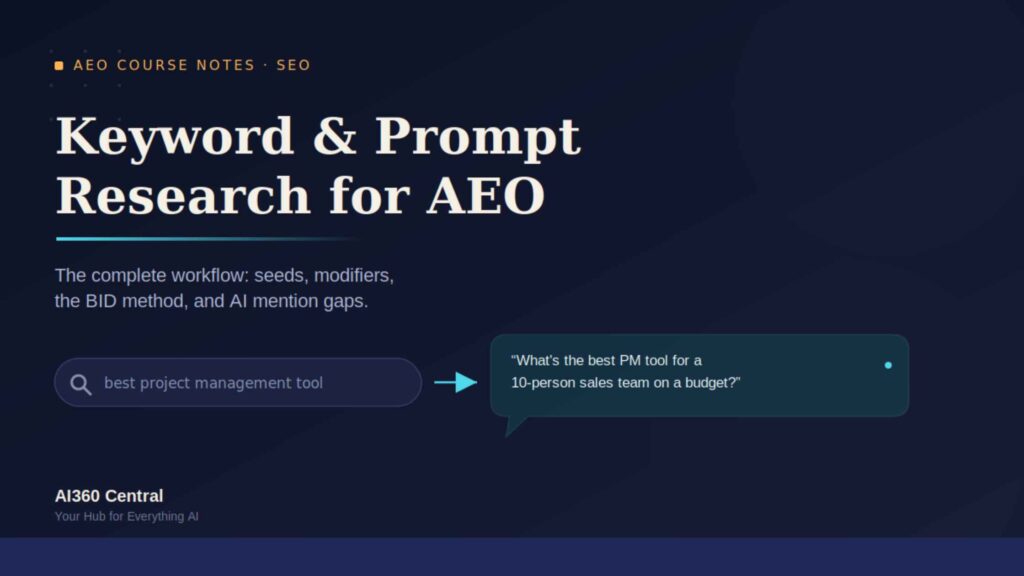
Keyword & Prompt Research for AEO: The Complete Guide
Somewhere right now, someone is typing a question into ChatGPT instead of Google. They’re not searching for a “keyword” the […]
Somewhere right now, someone is typing a question into ChatGPT instead of Google. They’re not searching for a “keyword” the […]
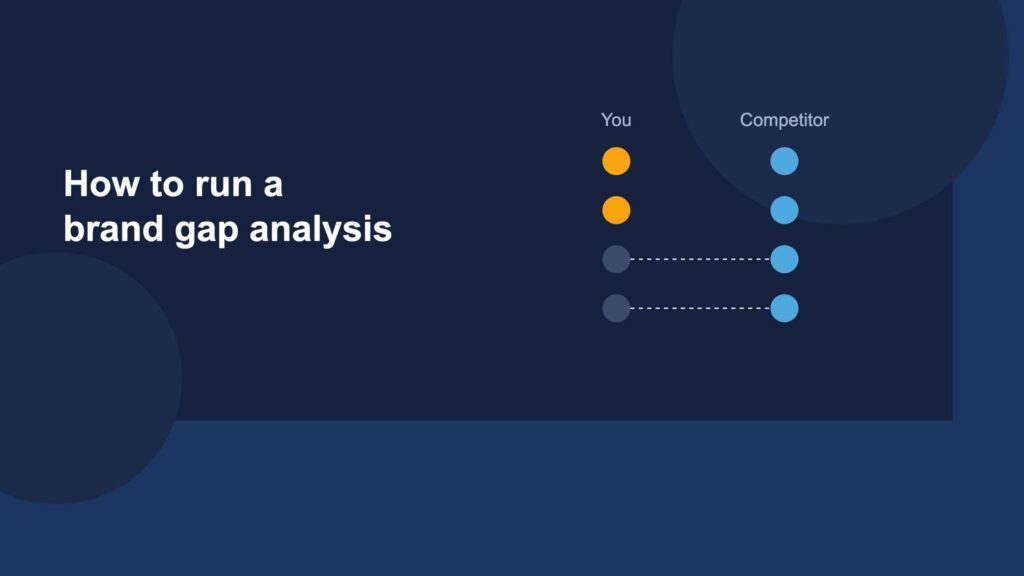
Somewhere right now, a potential customer is typing a comparison question into ChatGPT or Perplexity — “best CRM for a
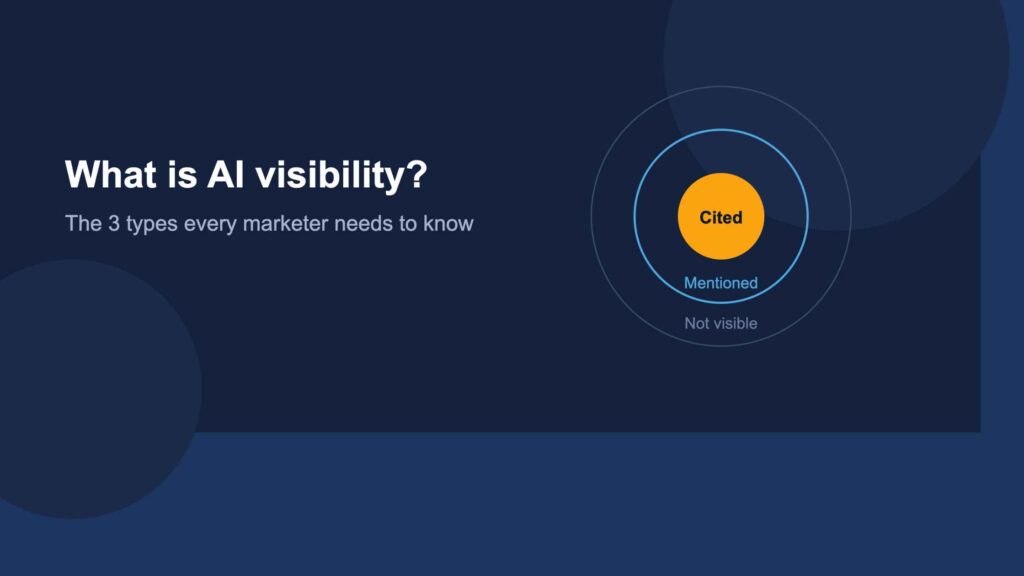
For twenty years, “visibility” in search marketing meant one thing: where do you rank. Position one, position three, page two
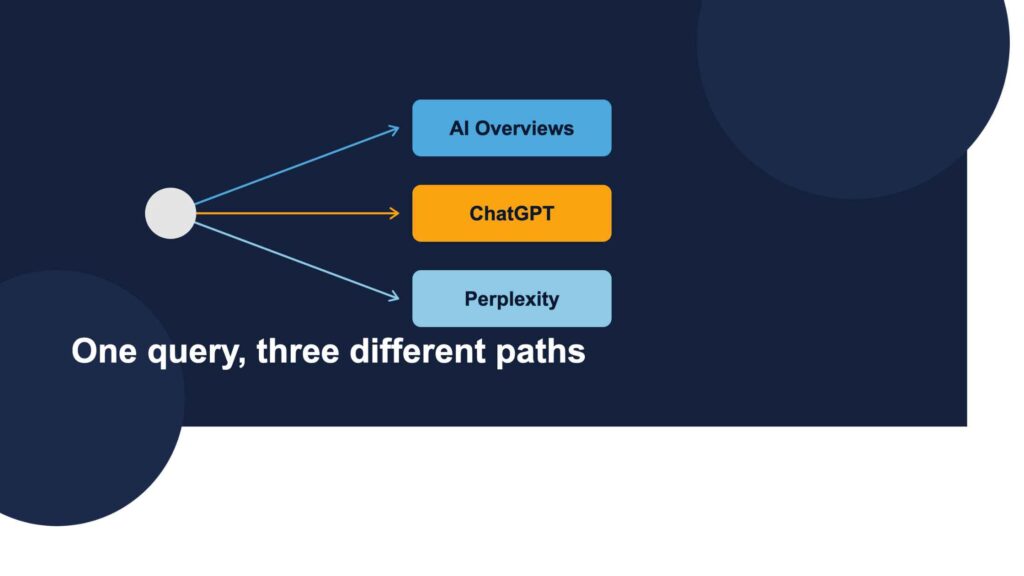
If you’ve optimized for one AI search engine, you have not optimized for all of them. That’s the core lesson
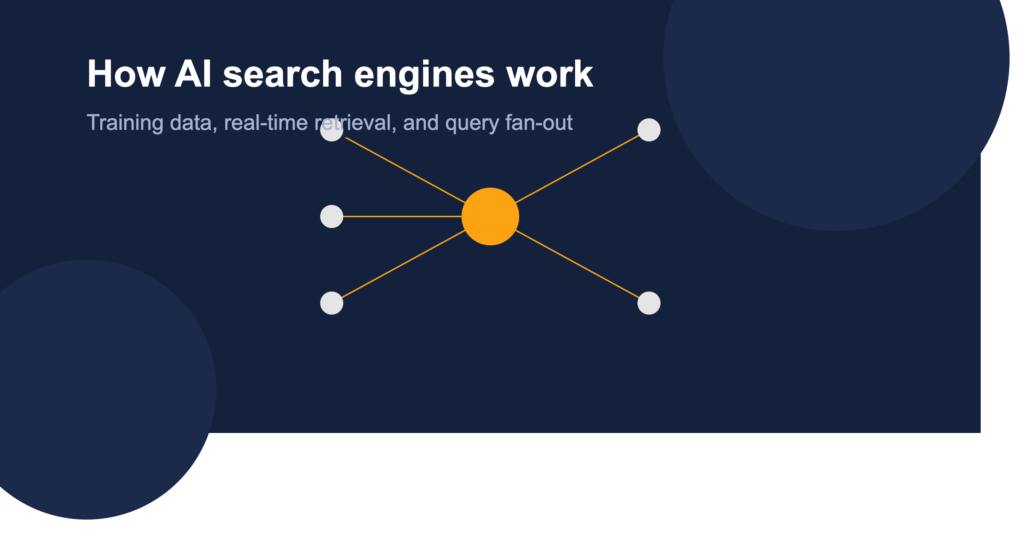
AI search engines deliver synthesized answers by utilizing a three-part process: relying on training data and real-time retrieval to enhance accuracy, breaking prompts into sub-queries for comprehensive searches, and synthesizing information into coherent responses. Optimizing content for AI search involves being present in training data, retrievable, and relevant across various angles.
Building a polished presentation or document used to eat up hours — formatting slides, wrestling with alignment, picking fonts, and
For most of the last few years, “using AI” at work meant chatting with a tool in a browser tab

A few years ago, making a polished video meant a camera, editing software, and either a lot of skill or

This guide details how to effectively utilize AI tools, Perplexity and Gemini, for market research and competitor analysis. It emphasizes crafting specific questions, verifying AI-generated information, and establishing a consistent research routine to enhance decision-making efficiency.
If you’re a developer or sysadmin looking to break into DevOps, you’ve probably drowned in course catalogues promising “complete mastery”